Rank vegetation risk
Bring encroachment, hazardous trees, fuel load, access constraints and clearance obligations into one operating backlog.
ORUS specialises in turning forest and vegetation risk around critical infrastructure into prioritised work orders, coordinated interventions and verified outcomes.
Our speciality is not generic infrastructure software. It is the management of vegetation and forest-related work across distributed assets.
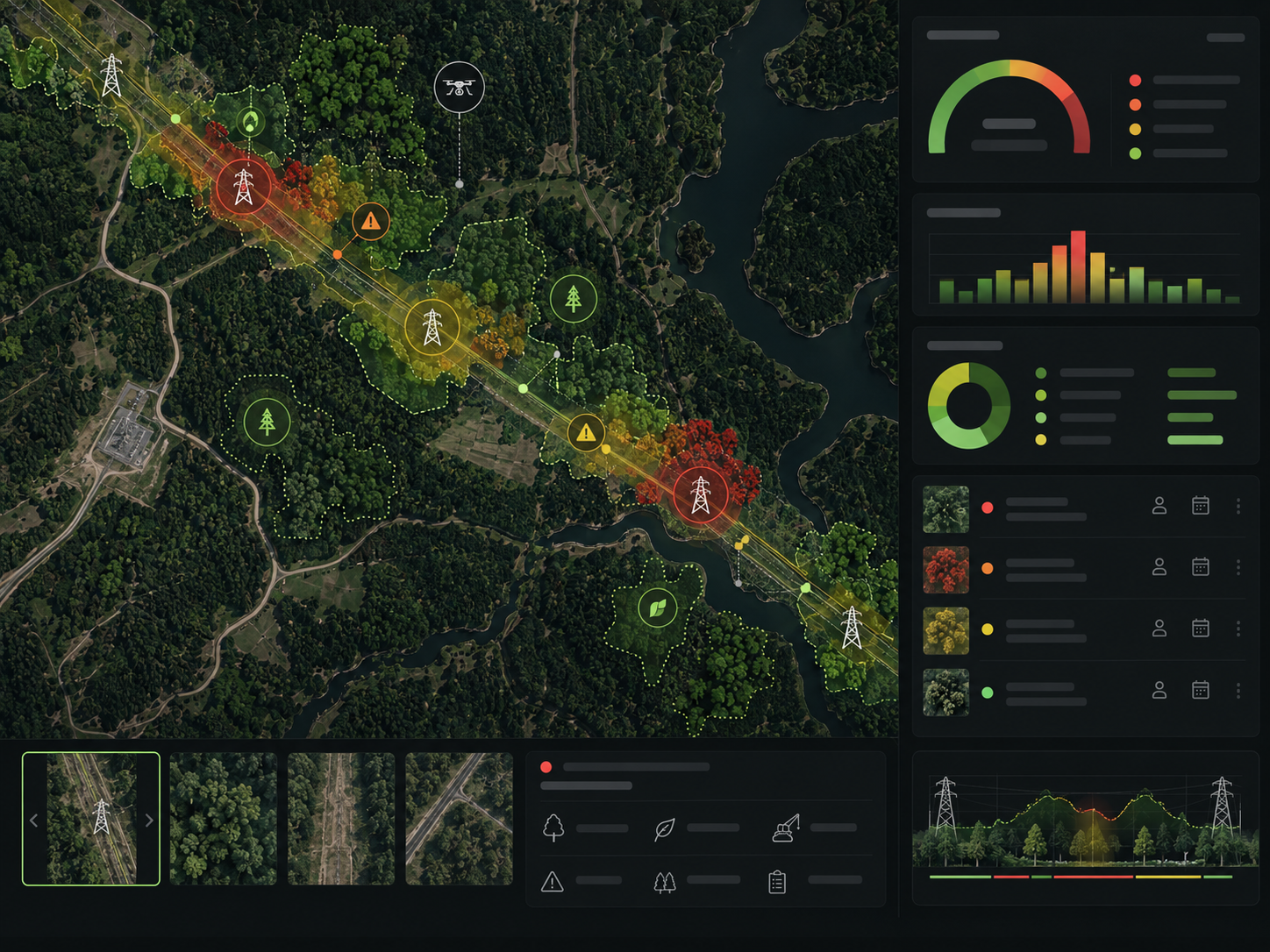
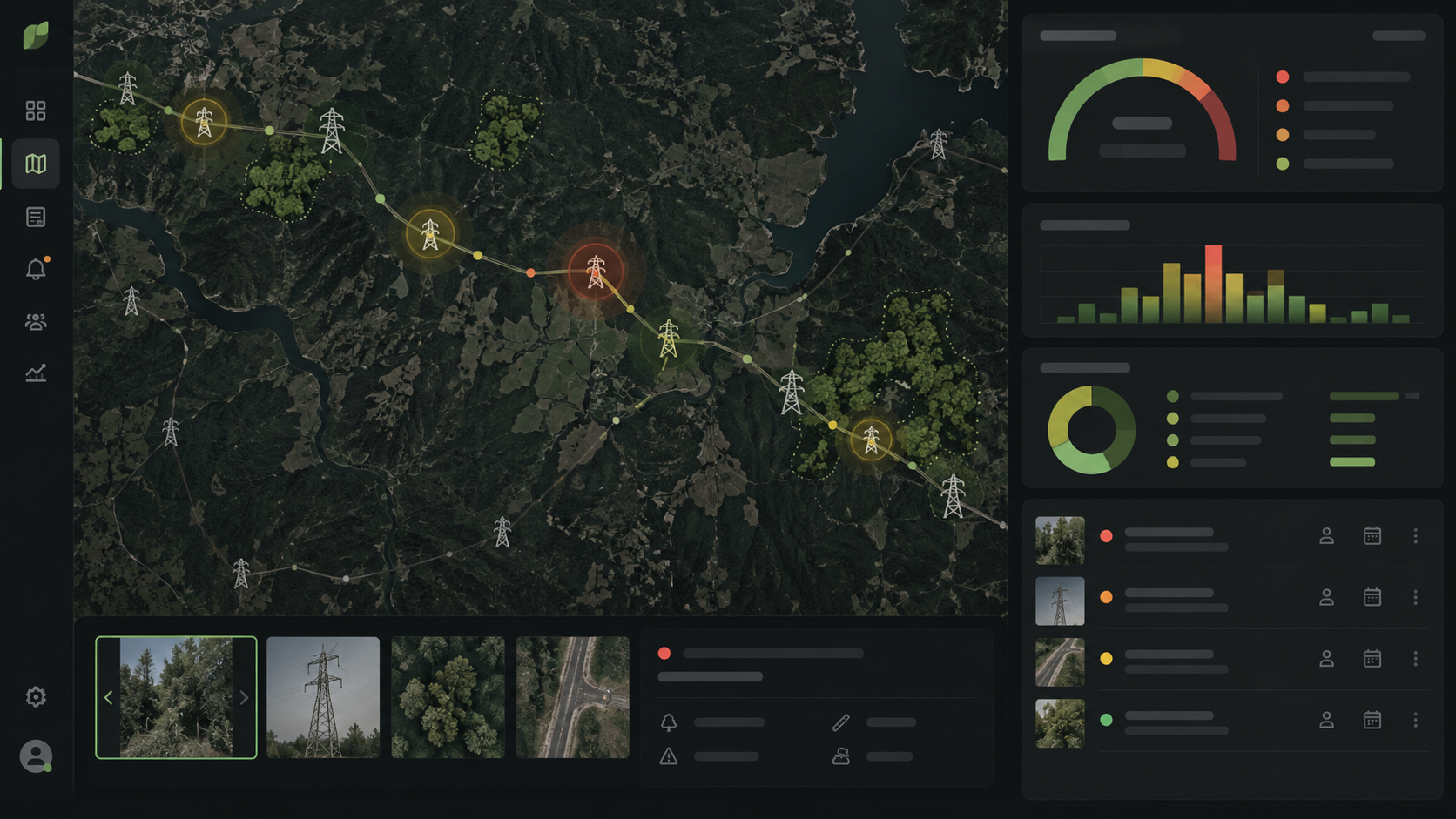
Asset owners already have inspections, GIS layers, maintenance records and local contractors. The hard part is turning those inputs into clear vegetation priorities, executable forestry work orders and proof that the intervention was completed.
ORUS becomes the accountable operating layer across that workflow.
Bring encroachment, hazardous trees, fuel load, access constraints and clearance obligations into one operating backlog.
Translate each priority into a defined forestry or vegetation work package and coordinate qualified contractors under a common scope and evidence standard.
Retain a structured record of what was done, where, by whom, at what cost and with what outcome across repeated vegetation cycles.
Satellite, drone, GIS, weather and work history.
Encroachment, fuel load, hazardous trees and urgency.
Vegetation work order, cost envelope and timing.
Contractor, equipment, permits and schedule.
Evidence, cost, exceptions and outcome.
Update the operating record and next action.
Keep forests, corridors and vegetation risk documented.
Monitoring, baseline vegetation register, priority zones and evidence record.
Take recurring forestry and vegetation work off the asset owner's plate.
Work orders, contractor allocation, execution control and verification.
Modernise vegetation operations without becoming locked into one vendor.
Business case, funding screen, OEM-neutral selection and implementation support.
ORUS does not just flag issues. It turns them into a structured vegetation and forestry work plan with clear actions, owners, timing and evidence requirements.
Selective tree clearance and side pruning within the right-of-way buffer.
Brush cutting and fuel reduction to lower wildfire exposure and improve access.
Inspect, mark and remove unstable trees threatening the corridor or infrastructure.
Keep under observation, refresh data layer and review intervention need next cycle.
ORUS starts where vegetation pressure, forest interfaces and recurring maintenance budgets already exist.
Encroachment, wildfire exposure, hazardous trees, access and right-of-way vegetation.
Corridor clearance, forest-edge management, access and recurring safety-critical vegetation work.
Roadside vegetation, visibility, fire prevention, access and corridor maintenance.
Solar and wind sites with recurring vegetation, fire-risk and access requirements.
Linear assets that require recurring inspection, access and vegetation control.
Fuel reduction, silvicultural and vegetation interventions where there is a defined operating need.
Vegetation work is recurring, locally fragmented and increasingly data-rich. ORUS standardises the forestry and vegetation decision-to-execution loop while keeping heavy field capacity flexible.
Roads, grids, rail and forest-adjacent assets require repeated vegetation, clearance and access interventions rather than one-off projects.
ORUS coordinates local forestry contractors and specialist equipment without owning a heavy fleet from day one.
The cross-vendor record links vegetation risk, decisions, work orders, costs, evidence and outcomes across repeated cycles.
The same forestry-first workflow extends from power lines and rail into roads, renewables and selected forest assets.
A persistent Digital Land Passport: obligations, observations, work orders, suppliers, evidence, outcomes and next actions.
Customer relationship, work-order logic, contractor orchestration and verification standard.
For asset owners, ORUS helps structure and run recurring vegetation interventions. For investors and strategic partners, ORUS offers a focused operating model at the intersection of forestry, infrastructure and field execution.